
The functioning of the Election Commission has come under renewed discussion following a report that two Election Commissioners, Sukhbir Singh Sandhu and Vivek Joshi, recorded at least 14 formal objections over a period of 10 months.
According to the report, the objections related to different decisions, procedures and official communications concerning electoral rolls and election administration. Four of the reported objections were recorded on the same day. The two commissioners reportedly questioned whether some decisions and communications had been issued with the required information and approval.
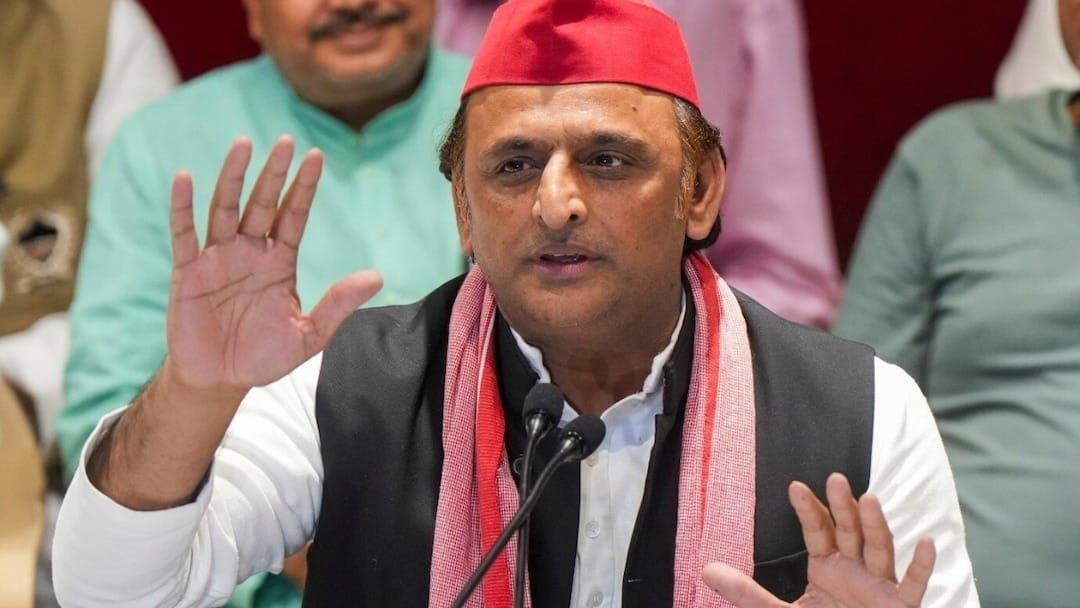
The issue gained political attention after Samajwadi Party chief Akhilesh Yadav commented on the reported objections. He questioned the functioning of the Election Commission and said that repeated objections by two commissioners raised serious questions about the way the institution was working.
The reported objections were not limited to one particular issue. They reportedly covered new voter registration, deletion and restoration of names from electoral rolls, voter-data management, election software and the process through which official communications were issued. The two commissioners were also reported to have raised questions about whether the required approval process had been followed in certain cases.
The developments come amid continued discussion around the Special Intensive Revision, or SIR, of electoral rolls. The revision process involves reviewing voter lists and dealing with the inclusion, deletion and restoration of names. Questions around these procedures have become an important part of the wider discussion on electoral-roll management.
One of the reported issues concerns Form 6, which is used for the inclusion of new voters in electoral rolls. According to the report, an additional question related to the inclusion of an applicant's parents in an earlier SIR electoral roll was introduced. The two commissioners reportedly questioned the legal process through which the change was made and whether the required rules needed to be amended.
The management and centralisation of voter data was another reported area of concern. The two commissioners reportedly raised questions about the way electoral data and technical systems were being managed. They expressed concern over the possible impact of centralised technical control on the role and access of election officials working at the State and local levels.
A case involving 97 voters in Goa was also mentioned in the report. According to the report, the voters had been found eligible by the relevant officials after document verification, but their names could not be included in the final electoral roll because of a software-related problem. The case was cited in the context of concerns over the functioning of the technology used for electoral-roll management.
The report also referred to issues concerning appeals related to electoral-roll decisions in West Bengal. Questions were reportedly raised about the process through which certain appeals concerning inclusion or deletion of names were filed and handled.
According to the report, the two commissioners also wrote separately to Cabinet Secretary T.V. Somanathan over administrative and technical responsibilities related to the electoral system. The correspondence reportedly raised concerns about changes in responsibilities and the lack of prior information about some of those changes.
Another point mentioned in the report is a full meeting of the three commissioners on September 9. The meeting reportedly took place after a gap of around four months without such a full Commission meeting.
The Election Commission has, however, rejected the suggestion that its final decisions reflected an internal disagreement. According to the Commission's position, all decisions, including those connected with SIR, were approved by Chief Election Commissioner Gyanesh Kumar and Election Commissioners Sukhbir Singh Sandhu and Vivek Joshi. The Commission has said that questions or suggestions raised during internal discussions do not necessarily mean that final decisions were taken without consensus.
The issue therefore has two sides: the reported formal objections raised by two Election Commissioners on several electoral and administrative matters, and the Election Commission's clarification that its final decisions were taken with the approval of all three commissioners. Akhilesh Yadav has used the reported objections to question the functioning of the Commission.

.jpg)
.jpg)