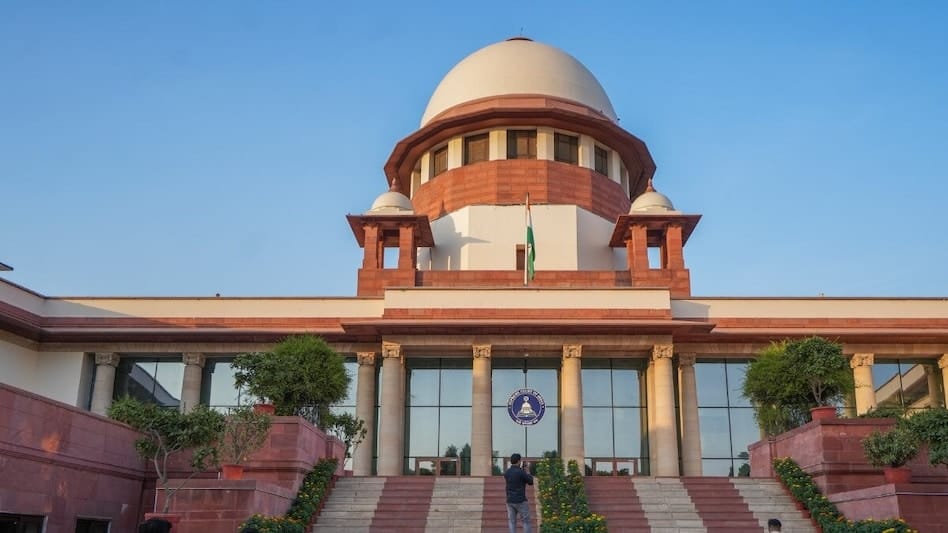



The Supreme Court has expressed serious concern over recent rape cases reported in Delhi-NCR, raising questions about the functioning of law enforcement agencies and the administrative system responsible for ensuring public safety.
A bench headed by Justice J.B. Pardiwala made strong observations while hearing matters related to the recent incidents. The court said that providing a safe environment for women is a basic responsibility of law enforcement agencies and the administration, and that the recent incidents point towards serious shortcomings in fulfilling that responsibility.
The court also focused on the safety of women in public places. Parks, buses and other public areas were specifically discussed in the context of inadequate security arrangements. The observations also referred to issues such as poor lighting, lack of surveillance and inadequate administrative facilities.
According to the court's observations, public spaces cannot be allowed to become high-risk areas for women because of weak security arrangements. The remarks underline the importance of preventive measures, effective monitoring and accountability at the local level.
During the proceedings, the Supreme Court also referred to similarities with the 2012 Delhi rape case, which had a major impact on public debate and legal reforms in India. In that case, a 23-year-old paramedical student was gang-raped inside a moving bus in Delhi and later died during treatment.
The 2012 incident led to widespread protests across the country and was followed by significant changes in laws dealing with sexual offences. Legal provisions were expanded and punishments for several offences against women were made stricter.
Despite these legal changes, incidents involving sexual violence have continued to raise concerns about the implementation of laws and the effectiveness of safety measures on the ground. The Supreme Court's latest observations have again brought attention to the gap between legal provisions and practical security arrangements.
The court's discussion on parks, buses and other public spaces highlights the importance of basic infrastructure and surveillance. Adequate lighting, monitoring systems and prompt police response are important components of public safety, particularly in areas where women may be vulnerable.
The 2012 Delhi case involved six accused, including one juvenile. One accused later died in custody, while four adult convicts were subsequently executed at Tihar Jail.
The latest Supreme Court proceedings have again raised the larger question of why women continue to face safety concerns in public spaces despite stricter laws and repeated administrative measures. The court's comments place renewed attention on the role of police authorities, local administration and public safety infrastructure.




.jpg)
.jpg)