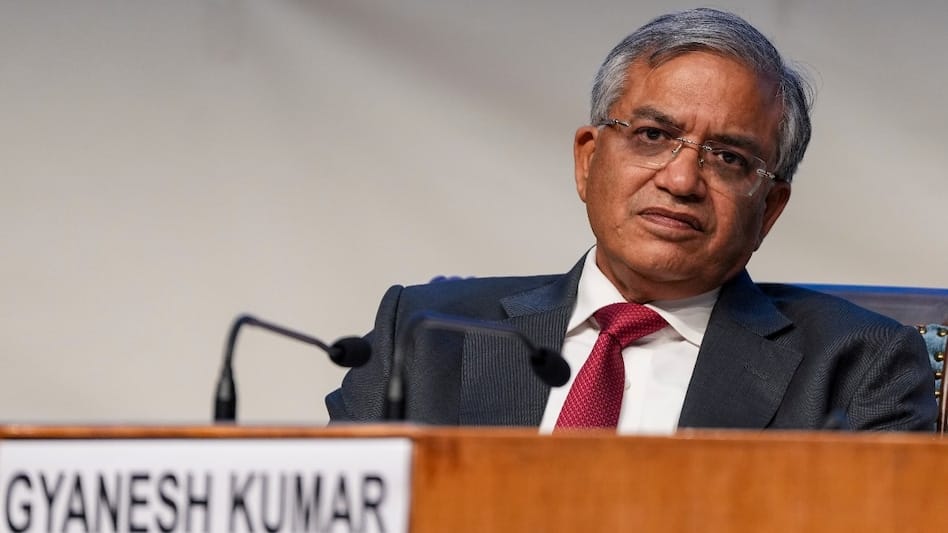

The dispute surrounding the Special Intensive Revision, or SIR, of electoral rolls and Chief Election Commissioner Gyanesh Kumar has reached the Supreme Court. A petition filed before the court challenges several decisions, guidelines and alleged changes connected with the SIR process. The petitioner has alleged that certain decisions were taken without the concurrence of all members of the Election Commission and has sought an independent investigation.
The petition refers to written objections and dissents allegedly recorded by Election Commissioners Sukhbir Singh Sandhu and Vivek Joshi on at least 14 occasions between November 2025 and August 2026. According to the petition and reports cited in it, the objections concerned issues related to SIR, voter registration, addition and deletion of names, electoral-roll data management and the functioning of the Commission's digital systems.
What decisions does the petition challenge?
The petition challenges several alleged decisions and procedural changes connected with the SIR exercise. These include changes to Form 6, alleged centralisation of electoral-roll data, changes involving the ECINet and ERONet systems, and the filing of 16.10 lakh appeals in West Bengal. The petitioner has asked the court to examine the legality of these actions and to invalidate decisions allegedly taken without full Commission concurrence.
The petition has also sought restoration of the original statutory Form 6 prescribed under the Registration of Electors Rules, 1960. It alleges that changes were made to the digital version of the form despite objections raised by the two Election Commissioners.
Demand for forensic examination of electoral data
The plea seeks a forensic examination of data connected with the ECINet and ERONet systems. It also asks for the preservation of server logs, databases, communications and other digital records so that they can be examined independently during any investigation.
Request for SIT or judicial inquiry
The petitioner has sought an independent judicial inquiry commission or a Special Investigation Team to examine the allegations. The plea also proposes that cybersecurity and information-technology experts assist the investigation. It seeks an examination of allegations relating to the deletion of large numbers of names from electoral rolls during the SIR exercise.
The 16.10 lakh West Bengal appeals
The petition also raises the issue of 16.10 lakh appeals in West Bengal. According to the plea, the appeals challenged the inclusion of electors whose names had been restored following orders by judicial officers. The petitioner alleges that the appeals were filed in the name of the Election Commission without the knowledge or approval of the two Election Commissioners and the Chief Electoral Officer of West Bengal.
What is the issue over the 14 objections?
The 14 objections referred to in the petition are said to have been recorded between November 2025 and August 2026. Reports cited in the plea indicate that the issues included changes to Form 6, access to electoral-roll data, voter addition and deletion procedures and administrative decisions related to SIR.
These allegations remain matters raised in the petition and should not be treated as findings by the Supreme Court. The legal validity of the challenged actions will depend on the judicial proceedings and any evidence considered by the court.
Election Commission's position
The Election Commission has said that differences of opinion within the Commission are part of its internal deliberative process. It has maintained that final decisions are taken through the prescribed process and that decisions concerning the SIR were unanimous.
The petition names the Union government, the Election Commission of India, Chief Election Commissioner Gyanesh Kumar and other officials as respondents. Apart from seeking an investigation, the petitioner has requested directions concerning the validity of the challenged decisions, restoration of the statutory Form 6 and preservation of relevant digital records. The next stage of the judicial process will determine how the Supreme Court deals with these requests.



.jpg)
.jpg)