


The Supreme Court has granted major legal relief to Mulla Afroz in connection with the Sambhal violence case by cancelling his preventive detention under the National Security Act, or NSA. A bench of Justice Dipankar Datta and Justice Sheel Nagu also imposed costs of ₹10 lakh on the Uttar Pradesh government. The central issue before the court was whether a preventive detention order could be based on an alleged confession made while the accused was in police custody.
Mulla Afroz had challenged his detention before the Supreme Court. Before approaching the Supreme Court, his petition had been dismissed by the Allahabad High Court in June 2026. He subsequently challenged that decision through a special leave petition before the Supreme Court.
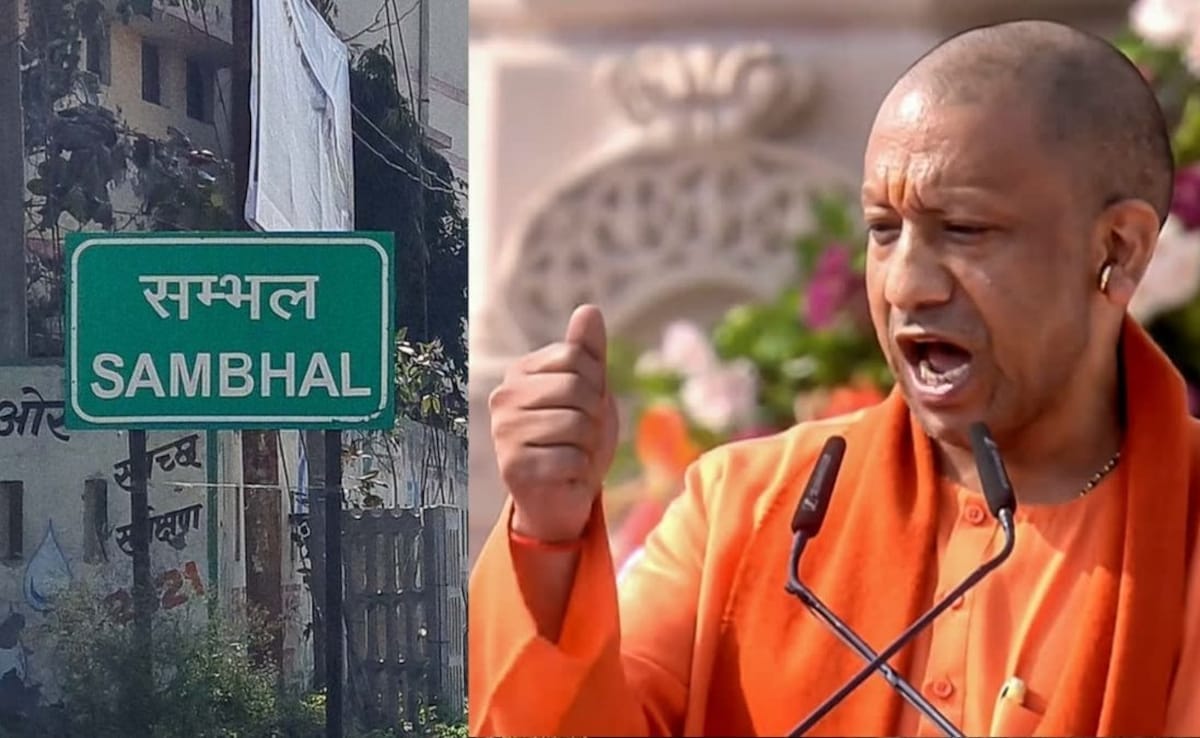
The case is connected to the violence that took place in Sambhal in 2024 following a court-ordered survey of the Shahi Jama Masjid. Mulla Afroz was subsequently named as an accused in connection with the violence. According to available court records and reporting, he was detained under Section 3(2) of the National Security Act on October 13, 2025. The Uttar Pradesh government had argued that the violence had affected public order in the area and that preventive detention was necessary to prevent similar activities in the future.
During the Supreme Court proceedings, particular attention was given to the alleged confession made while Afroz was in police custody. The court questioned whether such a confession could legally form the basis for a preventive detention order under the NSA. The court also emphasized that authorities must consider other relevant circumstances and material while taking a decision on preventive detention.
The Supreme Court concluded the hearing on September 8, 2026, and reserved its judgment. The decision became public on September 29, 2026, with the court cancelling the preventive detention and imposing costs of ₹10 lakh on the Uttar Pradesh government.
Preventive detention is legally different from ordinary criminal prosecution. Its purpose is to prevent a person from engaging in activities that may affect public order or other interests specified under the law. Because such detention can take place without a regular criminal trial determining guilt, the law provides procedural safeguards governing how detention orders are issued and reviewed.
The Allahabad High Court, in its June 2026 decision, had earlier upheld the detention order after considering the material placed before the detaining authority and its recorded satisfaction. The Supreme Court later examined the legality of that preventive detention in the appeal filed by Mulla Afroz.
The Supreme Court’s latest decision ends Mulla Afroz’s preventive detention under the NSA. However, the decision concerning preventive detention should not automatically be treated as a final determination on every criminal allegation or proceeding connected with the Sambhal violence. The ruling specifically concerns the legality and basis of the NSA detention.




.jpg)
.jpg)