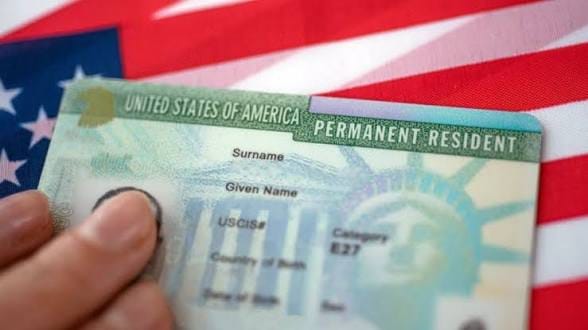




The Donald Trump administration in the United States is reportedly taking a tougher approach to immigration and the hiring of foreign workers. According to the information provided, the US Department of Labor has barred several major companies from participating in the Permanent Labor Certification, or PERM, process. The reported list includes leading Indian IT companies as well as major American and international businesses. The development could raise concerns among foreign professionals working in the United States, particularly Indian employees who are planning to obtain permanent residency through their employers.
PERM stands for Permanent Labor Certification. It is an important stage in the US employment-based Green Card process. When an employer wants to sponsor a foreign worker for permanent employment, it generally has to complete the required labor certification process before proceeding with the relevant immigration petition. This process is designed to ensure that employers follow applicable labor market requirements and protect the wages and employment opportunities of US workers. Completing PERM does not automatically guarantee a Green Card. Applicants may still need to meet additional requirements, including the employer's immigration petition, visa-category availability and other applicable immigration rules.
The companies named in the information include Tata Consultancy Services, commonly known as TCS, Infosys, Wipro, HCL, Cognizant and Capgemini. Microsoft and Adobe have also been mentioned among the companies reportedly affected. However, while the information refers to action against eight companies, the complete list and the precise scope of the restrictions require independent confirmation through official government records. The actual consequences for each company and its employees will depend on the terms of the relevant order and the applicable rules.
Indian professionals working in the United States on H-1B visas could be among those most concerned about the reported development. Many skilled workers enter the country on temporary work visas and later pursue employment-based Green Cards through their employers. Permanent residency can provide greater long-term stability by allowing eligible individuals to live and work in the United States on a permanent basis, subject to applicable legal requirements. If an employer is unable to initiate or continue the required PERM process, employees whose Green Card cases depend on that stage may experience delays.
However, a restriction on the PERM process does not automatically mean that every Indian employee working for an affected company will lose their H-1B status or have their Green Card application cancelled. H-1B status and employment-based permanent residency are separate immigration processes. The effect of any restriction will depend on the employee's circumstances, the stage of the application, the terms of the restriction and the applicable government instructions. Employees whose PERM applications have not yet been initiated could face difficulties or delays in starting the process. The impact on cases that have already been filed would depend on the specific order and the government's treatment of pending applications.
The issue is significant for India's IT sector because a large number of Indian professionals work for American technology companies and international IT service providers. Some of these employees live in the United States on H-1B visas and rely on employer sponsorship to pursue permanent residency. Uncertainty surrounding the PERM process could affect their long-term career plans, decisions about changing jobs, family arrangements and immigration planning. Employees may also need to consider how delays could affect their future visa extensions or other immigration-related decisions.
Companies could face challenges as well. Employment-based immigration is one of the ways businesses retain skilled international workers over the long term. Restrictions on the PERM process could affect workforce planning, employee retention and recruitment strategies for businesses that depend on foreign talent. Employers may need to review their employees' existing immigration cases, assess which applications could be affected and provide guidance on available options. The exact options, however, will depend on each employee's circumstances and the relevant immigration rules.
Several important questions remain to be clarified through official documentation. These include the complete list of companies affected, the duration and scope of the restrictions, whether pending applications will be affected and what options may be available to employees. Until these details are confirmed, it would be premature to conclude that all Indian employees at the named companies have lost their Green Card opportunities. If the reported restrictions are enforced, workers whose employment-based Green Card applications depend on the affected PERM process could face delays and uncertainty.




.jpg)
.jpg)