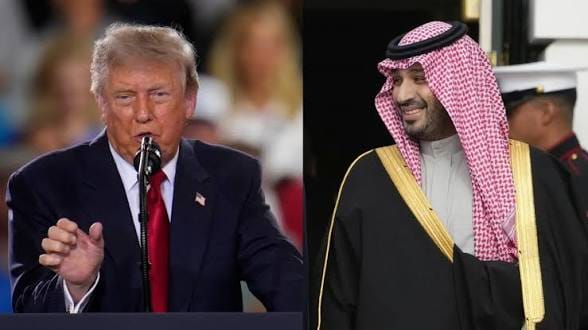




New Delhi: A reported diplomatic development involving Israel, Saudi Arabia and Yemen’s Houthi rebels has drawn attention to the complex political and security calculations shaping the Middle East. According to reports, Israeli Prime Minister Benjamin Netanyahu attempted to secure Saudi Arabia’s participation in a military campaign against the Iran-backed Houthi movement in Yemen. Saudi Crown Prince Mohammed bin Salman reportedly rejected the proposal.
The reported decision highlights the limits of potential cooperation between Israel and Saudi Arabia, even when the two countries may share concerns about certain regional security threats. Participation in a military campaign is a significant decision for Riyadh, involving not only immediate security considerations but also diplomatic relationships, regional stability and long-term strategic interests.
Why Did Netanyahu Approach Saudi Arabia?
According to reports, Netanyahu contacted Saudi Arabia through American mediation in an effort to gain support for military operations against the Houthis in Yemen. The proposal reportedly concerned a campaign against a group that has become an important factor in regional security discussions.
The Houthis are an armed political and military movement operating in Yemen and receive support from Iran. Their activities, including attacks on shipping in the Red Sea, have raised concerns about maritime security and international trade. The Red Sea is a major shipping corridor connecting important commercial routes, and disruptions can increase transportation costs and affect global supply chains.
For Israel, Houthi attacks and threats have been a security concern. Saudi Arabia's participation in a military campaign could potentially influence its scale and regional implications. However, the precise details of the reported proposal and the discussions surrounding it require independent confirmation.
Why Might Saudi Arabia Have Rejected the Proposal?
Reports indicate that Crown Prince Mohammed bin Salman declined Netanyahu’s proposal. However, a detailed official explanation of his decision has not been established in the information available. Several strategic considerations may help explain why Saudi Arabia would approach such a proposal cautiously.
1. The risk of renewed conflict in Yemen
Saudi Arabia has been deeply affected by the conflict in Yemen. A renewed or expanded military campaign could expose the kingdom to additional security risks, including possible missile and drone attacks. Joining a new offensive could also increase the possibility of becoming involved in a prolonged conflict.
For Riyadh, avoiding another period of sustained military confrontation may be an important consideration when evaluating any proposed operation against the Houthis.
2. Preventing wider regional escalation
Because the Houthis receive support from Iran, a major military campaign against them could have consequences beyond Yemen. It could increase tensions between Israel and Iran and potentially affect other countries in the region.
Saudi Arabia must consider whether participation would improve its security or expose it to additional risks. Regional stability is therefore an important factor in any decision concerning military cooperation.
3. Protecting Saudi Arabia’s independent strategic interests
Saudi Arabia’s foreign policy is shaped by its own national security priorities, economic objectives and regional relationships. Even when Riyadh shares concerns about a particular security threat, it does not necessarily follow that it will support every military response proposed by another country.
Before joining an operation, Saudi decision-makers would need to assess the potential military benefits, financial costs, diplomatic consequences and long-term security implications.
4. The sensitivity of Saudi-Israeli relations
Relations between Saudi Arabia and Israel have historically been complex. Although both countries have concerns about some regional developments, their political positions and diplomatic priorities are not identical. The Palestinian issue remains an important consideration in the wider regional political environment.
Joining a military operation alongside Israel could carry political implications for Saudi Arabia among Arab and Muslim countries. This makes the decision more complicated than a purely military assessment.
These are possible strategic considerations rather than officially confirmed reasons for the reported rejection.
Why Are the Houthis a Regional Security Concern?
The Houthi movement has become a significant factor in Yemen’s conflict and in wider regional security discussions. Its activities around the Red Sea and nearby maritime areas have raised concerns about commercial shipping and international trade.
Attacks on vessels and threats to maritime traffic have prompted countries to consider measures to protect shipping routes. The Houthis have also issued threats against Israel and carried out attacks linked to the wider regional confrontation.
Iran’s support for the movement adds another dimension to the conflict. Consequently, military action against the Houthis is often considered within the broader context of regional competition involving Iran, Israel and other Middle Eastern countries.
However, any military campaign would involve considerable risks. These could include retaliatory attacks, the possibility of a prolonged conflict, humanitarian consequences and further instability in Yemen.
What Role Could the United States Play?
Reports suggest that Netanyahu approached Saudi Arabia through American mediation. The United States maintains a close strategic relationship with Israel and important security and diplomatic ties with Saudi Arabia.
American mediation can provide a channel for communication between regional partners and may help facilitate discussions on security matters. Nevertheless, mediation does not guarantee that a proposal will be accepted.
Saudi Arabia would still have to assess the proposed campaign according to its own national interests, regional commitments and security priorities. Any decision to participate in military operations would depend on the expected benefits and the potential consequences for the kingdom.
What Could the Decision Mean for Middle East Politics?
If Saudi Arabia were to participate in a military campaign alongside Israel against the Houthis, the move could significantly affect regional relationships. It might create opportunities for security cooperation, but it could also intensify tensions with Iran and groups supported by Tehran.
Such a decision could also influence Saudi Arabia’s regional standing, its approach to the Palestinian issue and its relationships with other Arab countries. These considerations help explain why military cooperation in the Middle East can involve complicated political calculations.
For now, reports indicate that Netanyahu sought Saudi participation in a campaign against the Houthis but that Mohammed bin Salman declined the proposal. Without further official confirmation, the precise reasons behind the reported decision should not be treated as established fact. Any assessment of its implications must distinguish between reported diplomatic developments and confirmed government positions.




.jpg)
.jpg)