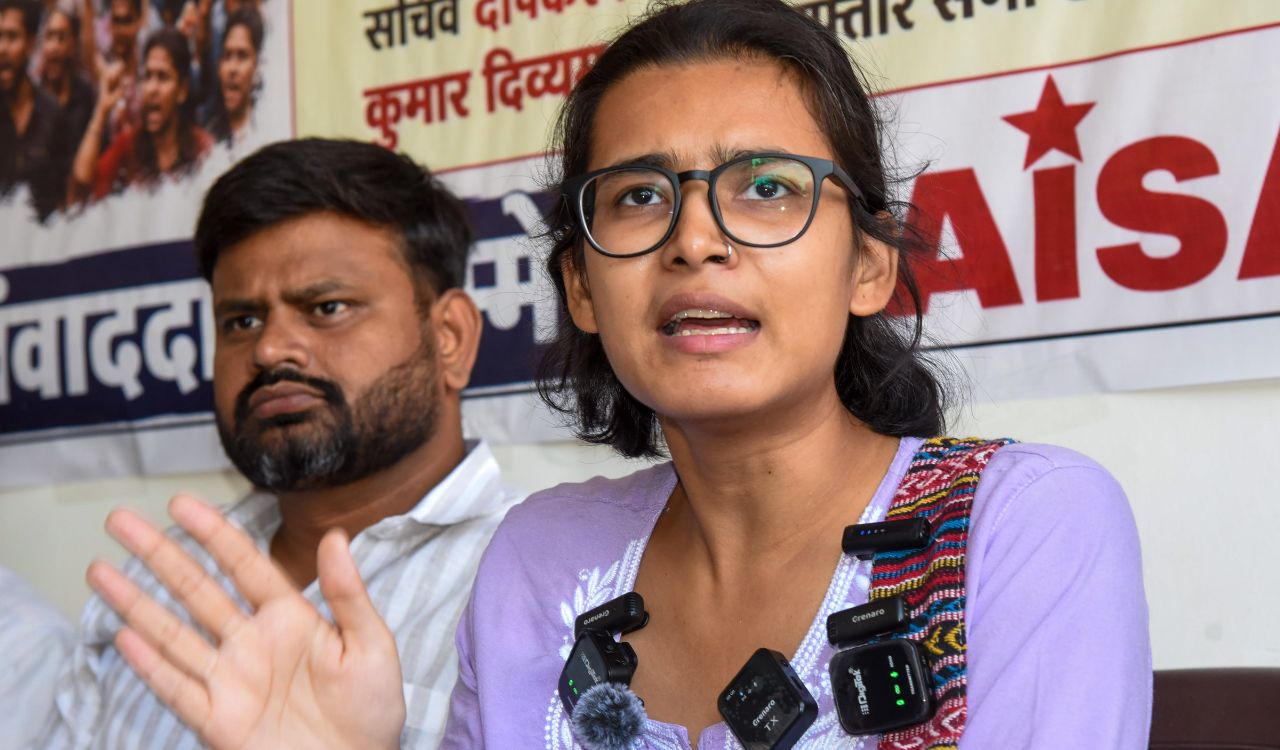

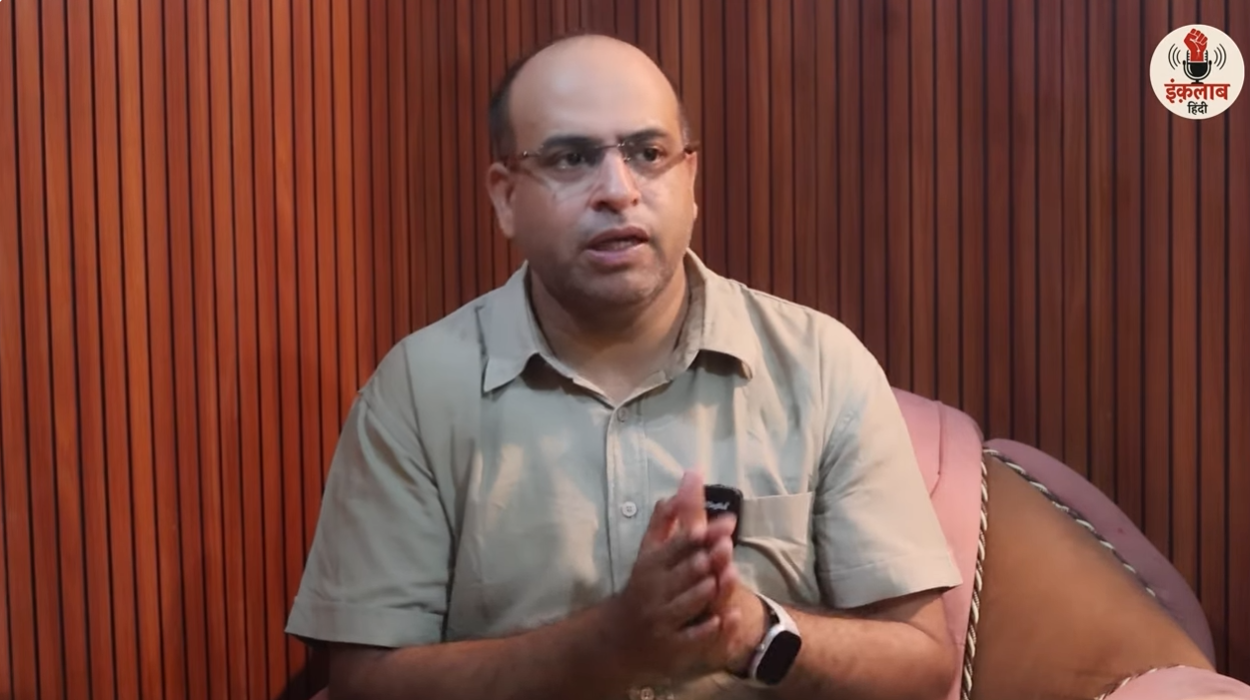
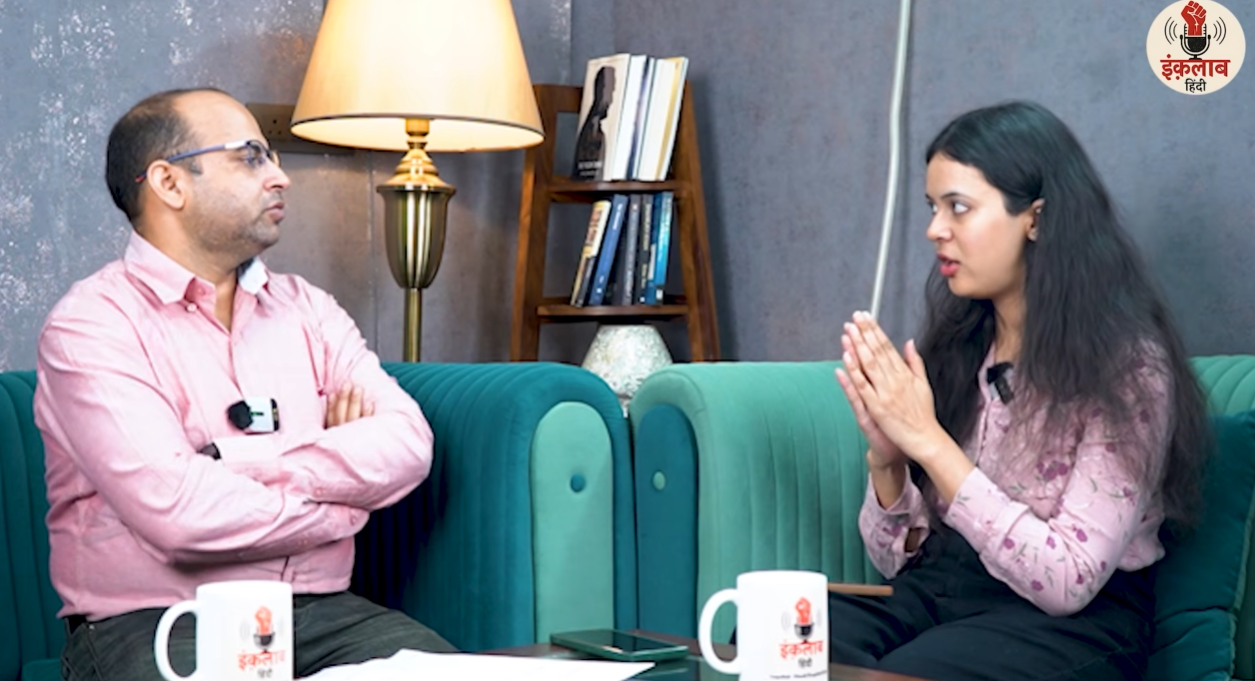
The Bharatiya Janata Party (BJP) has launched a political attack on student leader Neha Bora over her remarks that Bangladesh had shown the way for youth-led movements. The controversy centres on a video clip in which Bora refers to the student-led movement in Bangladesh and draws a comparison with youth movements taking place in India. BJP leader Pradeep Bhandari has interpreted the comments as an indication of an alleged plan to bring about a change of government in India.
The BJP has targeted the Congress and Rahul Gandhi in connection with the controversy. Bhandari alleged that the opposition’s objective goes beyond political criticism and involves an attempt to change the government. However, this remains the BJP leader’s political allegation. The remarks, by themselves, do not establish that Bora or any political organisation is involved in a conspiracy to change the government.
Why Has Neha Bora’s Video Triggered a Controversy?
The controversy emerged after a video clip circulated in which Bora discusses the influence of Bangladesh’s youth-led protests on movements in India. In the clip, she says that the Gen Z movements being witnessed in different parts of India first began in Bangladesh. She also congratulates people in Bangladesh for showing the way and expressing solidarity with young people in India.
The BJP has used these remarks to question the intentions behind the movement and has linked them to the political upheaval that took place in Bangladesh in 2024. According to the party’s interpretation, the comparison suggests that some political groups in India want to replicate the developments that led to a change of government in Bangladesh.
However, understanding the controversy requires examining the complete statement and its context. Referring to another country’s protest movement or expressing solidarity with its young people does not, by itself, establish an intention to bring about a similar political outcome in India.
Neha Bora’s Emphasis on Democratic and Voting Rights
In the video, Bora presents her comments in the context of democratic rights and voting rights. She says the movement that began in Bangladesh was connected to demands for democratic and electoral rights. According to her, the movement in which young people in India are participating and taking leadership also concerns democratic rights and the restoration of voting rights.
Bora also refers to protests against Chief Election Commissioner Gyanesh Kumar over allegations concerning the electoral process. These protests have been linked to concerns about alleged electoral irregularities and voters’ rights. Her remarks focus on youth participation in political movements and the right to raise questions about the electoral system.
She further refers to the struggle against religious extremism in Bangladesh and compares it with issues that young people in India are addressing. Bora says she hopes that people in Bangladesh and India can work together towards a better South Asia and a better world.
The BJP has interpreted parts of her statement as an indication of an alleged political agenda. However, the comments also contain references to democratic participation, electoral rights and solidarity between young people. The distinction between what Bora said and how the BJP has interpreted it remains central to the dispute.
*The Background of Bangladesh’s 2024 Political Upheaval*
Bangladesh witnessed a major political crisis in 2024 after student-led protests expanded over several weeks. The demonstrations grew in scale, the situation became increasingly tense, and violence was reported during the unrest. On August 5, 2024, then Prime Minister Sheikh Hasina left office and departed the country.
The events became a significant example of a student-led movement contributing to a major political change. Bora’s comments refer to Bangladesh as an example that influenced youth-led movements elsewhere. The BJP, however, has used this comparison to raise questions about the political objectives of protests in India.
It is important to distinguish between drawing inspiration from a movement and seeking to reproduce every aspect of its political outcome. The circumstances, demands and political developments in Bangladesh cannot automatically be treated as identical to those in India. A comparison between movements does not, on its own, prove that the same political result is being sought.
What Did Pradeep Bhandari Allege?
BJP leader Pradeep Bhandari criticised Bora’s remarks and targeted Rahul Gandhi and the Congress. He alleged that Rahul Gandhi and the political groups associated with him were not interested merely in opposing the government but were pursuing a broader objective of changing the government.
Bhandari claimed that Bora had spoken in an interview about being inspired by Bangladesh’s Gen Z-led movement and wanting similar developments to take place in India. He argued that the comments revealed what he described as a political agenda directed at the country’s democratic institutions.
The BJP leader also accused the Congress and its wider political network of posing a threat to India’s constitutional and democratic framework. He called on people who believe in Indian democracy to oppose the alleged agenda.
These statements represent Bhandari’s political assessment and allegations. They should not be treated as independently established facts without supporting evidence. Criticism of the government, participation in protests and an alleged conspiracy to change the government are distinct matters and should not be conflated without evidence.
Neha Bora’s Participation in the Opposition March
Neha Bora was also reported to have participated in a march led by Rahul Gandhi and opposition INDIA bloc leaders towards the Supreme Court. The march was connected to protests concerning Chief Election Commissioner Gyanesh Kumar and allegations relating to the electoral process and voting rights.
The BJP has linked Bora’s participation in the march with her remarks about Bangladesh as part of its criticism of the opposition. The political dispute has therefore expanded beyond the video itself to include questions about the purpose of the protests and the role of youth activists in opposition-led demonstrations.
At the centre of the controversy is the interpretation of Bora’s words. The BJP argues that her comparison with Bangladesh points towards an intention to change the government, while the remarks in the clip refer to democratic rights, voting rights and solidarity among young people.
A balanced assessment requires the complete video, the context of the interview and responses from the people concerned. Until further evidence establishes otherwise, the BJP’s allegations should remain clearly attributed to the party and its spokesperson.

.jpg)
.jpg)