.jpeg)

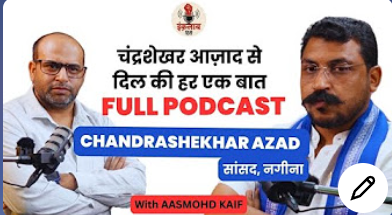
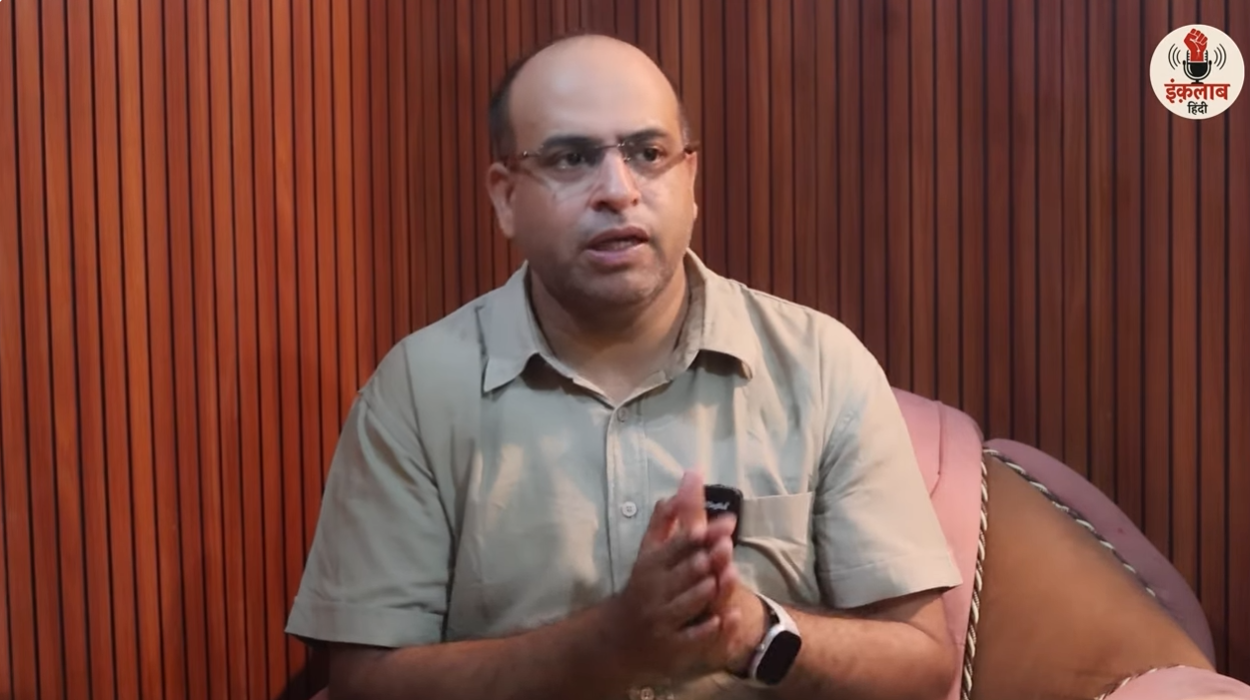
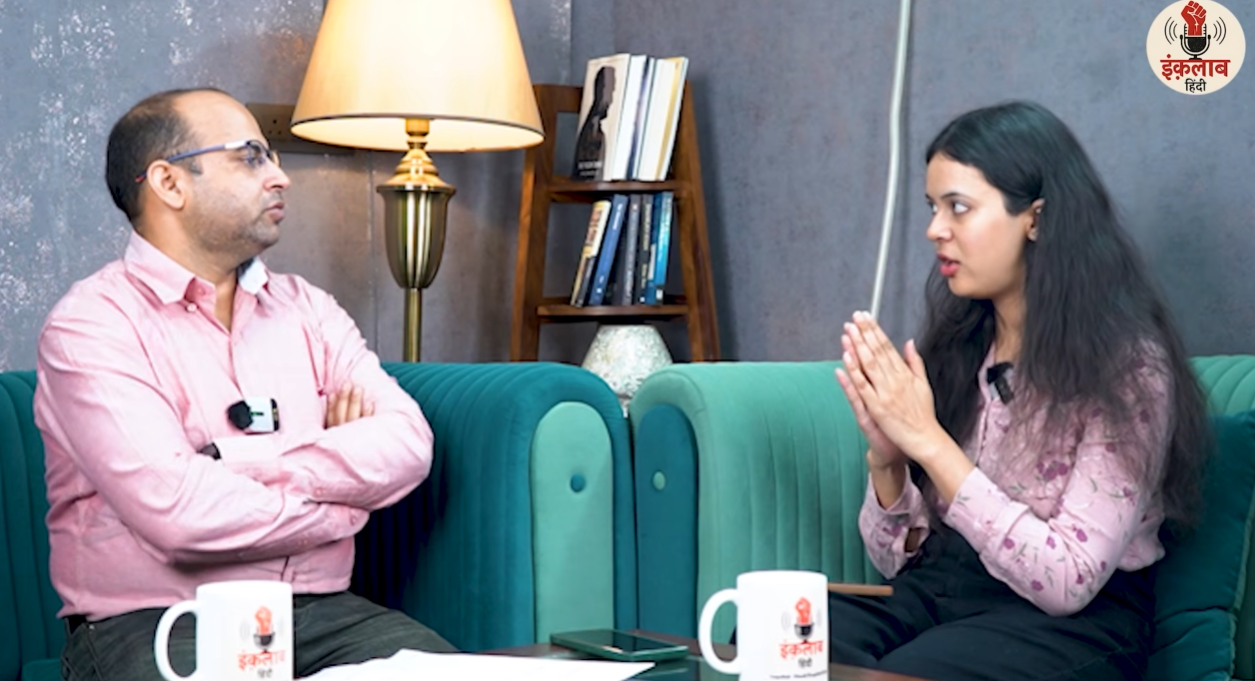
A joint press conference held by Cockroach Janata Party (CJP) leader Abhijeet Deepke and All India Students’ Association (AISA) chief Neha Bora in New Delhi was disrupted by a group of people who raised slogans during the event. The incident took place a day before CJP’s planned ‘Lahra Do Tiranga’ protest march and drew attention to the tense atmosphere surrounding the organisation’s activities.
During the press conference, some people were heard shouting slogans such as “Stop it” and “Get out.” The disruption interrupted the media interaction, following which Neha Bora asked the organisers to remove those creating the disturbance. The available account does not establish the identities of the people raising the slogans or explain the precise reasons behind their protest.
The press conference was intended to provide an opportunity for the CJP leadership to address the media ahead of the planned march and discuss recent student and youth protests in Delhi. However, the slogans shifted attention towards the disruption and the response of the organisers.
What Happened During the Press Conference?
According to the account of the incident, Deepke and Bora were jointly addressing the media when some people began raising slogans. The words “Stop it” and “Get out” could be heard during the exchange. Following the disruption, Bora asked the organisers to intervene and remove those responsible for the disturbance so that the press conference could proceed.
The incident occurred at a politically sensitive time, with CJP’s ‘Lahra Do Tiranga’ protest march scheduled for the following day. The disruption added another point of discussion around the organisation’s public activities and the circumstances in which political groups are able to hold press conferences and communicate their positions.
Public press conferences can become contentious when individuals or groups disagree with the speakers or the event itself. Organisers must then manage the disruption while allowing the event to continue where possible. In this case, Bora’s response was to ask the organisers to remove those causing the disturbance.
However, the available information does not provide a detailed account of what happened after that request. It also does not identify the people involved or clarify whether they were associated with any particular organisation or political group.
Abhijeet Deepke Accuses the Administration of Removing Protesters
Speaking to the media, CJP leader Abhijeet Deepke raised concerns about student and youth protests that, according to him, had been taking place in Delhi over the previous 10 to 15 days. He alleged that the administration had been forcibly removing students and young people participating in demonstrations.
Deepke claimed that protesters had faced difficulties while trying to express their views and register their opposition. His remarks focused on the handling of demonstrations by the authorities and the space available to students and young people to raise their concerns in public.
The CJP leader also claimed that several opposition leaders had been detained during the protests. He referred to leaders including Mamata Banerjee, Arvind Kejriwal and Pinarayi Vijayan, describing them as former chief ministers who were among those allegedly detained.
These claims formed part of Deepke’s criticism of the administration’s handling of the protests. However, the available account does not provide complete details about the circumstances of each reported detention, the number of people involved or the legal grounds for the action. Those details would need to be checked against official statements and reliable records before being treated as independently established facts.
Political Tensions Ahead of the ‘Lahra Do Tiranga’ March
The disruption took place one day before CJP’s planned ‘Lahra Do Tiranga’ protest march. The timing brought additional attention to the organisation’s activities and the wider political atmosphere surrounding demonstrations in Delhi.
During the press conference, Deepke highlighted what he described as administrative action against students and young protesters. He argued that the removal of demonstrators and the alleged detention of opposition leaders raised questions about how protests were being handled.
The slogans at the press conference added a separate dimension to the event. While Deepke was discussing protests and alleged administrative restrictions, some people present objected loudly enough to interrupt the media interaction. Bora then asked the organisers to take action against those causing the disruption.
The motives of the people raising the slogans remain unclear from the available account. Their identities, affiliations and specific objections have not been established. A fuller understanding of the incident would require additional information from the organisers, those involved in the protest and the relevant authorities.
Student Protests and the Right to Demonstrate
The incident has again drawn attention to the wider debate over student demonstrations, administrative action and the management of public events. Political organisations often use protests and press conferences to raise concerns, explain their positions and question government decisions.
At the same time, public events can face disruptions when individuals disagree with the speakers or the issues being discussed. Organisers and authorities may need to respond to such situations while ensuring that events can proceed safely and that disagreements do not escalate.
In the CJP press conference, the immediate issue was the shouting of slogans and Bora’s request for the organisers to remove those causing the disturbance. The wider discussion concerned Deepke’s allegations about the handling of student and youth protests in Delhi.
The claims about protesters being forcibly removed and opposition leaders being detained should be assessed using verified information about the individual incidents. The available account records Deepke’s allegations but does not independently establish every detail of the actions he described.
uestions Remain Over the Disruption
The press conference ended up attracting attention not only for the issues raised by the speakers but also for the disruption itself. The incident took place shortly before the planned CJP march, making the timing significant in the context of the organisation’s public campaign.
The available information establishes that slogans were raised during the joint press conference, that Bora asked the organisers to intervene and that Deepke criticised the administration over its handling of protests. However, further details are needed to determine who was responsible for the disruption, why they objected and what steps were taken afterwards.
Responses from the organisers, the people who raised the slogans and the relevant authorities would help provide a more complete picture of the incident. Until then, the claims about the disruption and the handling of protests should be presented with clear attribution.


.jpg)
.jpg)