
India Sets Out Its Position on Human Rights at the United Nations
India has reiterated its position that human rights should not be used as an instrument of political pressure or as a means of selectively targeting particular countries. Speaking at a meeting of the Third Committee of the United Nations General Assembly, Indian officials emphasised the importance of fairness, transparency and evidence-based discussions when addressing human rights concerns.
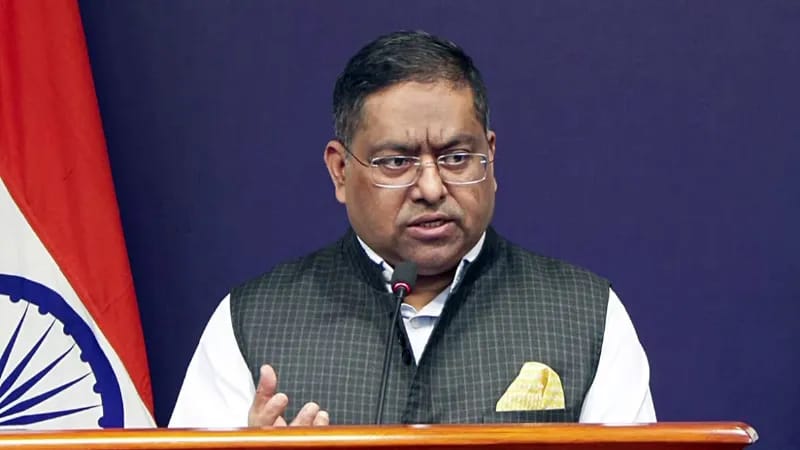
Barkha Tamrakar, Deputy Secretary at India's Ministry of External Affairs, said India remained willing to engage with international human rights forums. However, she stressed that such engagement should be based on dialogue, mutual understanding and cooperation rather than prejudice or selective criticism.
India also objected to what it described as attempts to damage the country's image through unverified information and incomplete data. The Indian position emphasised that assessments of the world's largest democracy should take account of reliable evidence, the circumstances surrounding specific incidents and the broader context in which allegations are made.
The statement reflects India's concern about how human rights issues are discussed in international forums. According to the position presented by India, criticism should be based on verifiable information and applied consistently rather than being influenced by political considerations.
India Calls for Impartiality and Transparency in Human Rights Discussions
During the committee meeting, India stressed that international human rights engagement should remain constructive and focused on cooperation. The country indicated that it was prepared to participate in discussions with international institutions, provided that the process respected fairness and avoided preconceived conclusions.
India also highlighted the importance of presenting reports and statements in their proper context. It argued that comments made during a meeting or concerns raised by experts should not automatically be treated as final judgments against a country.
This distinction is important in international discussions, where allegations, preliminary assessments, official responses and established findings may represent different stages of examining an issue. India called for these differences to be recognised and for reports to be assessed according to the evidence available.
The central message of India's statement was that human rights should be addressed through transparent and consistent standards. The country maintained that these principles should apply equally and should not become a tool for political pressure.
UN Experts Raise Concerns Over Protests in New Delhi
India's statement came after more than 20 UN human rights experts expressed concern about the reported treatment of students and young people during recent protests in New Delhi. The experts, based in Geneva, raised questions about alleged police action, the detention of demonstrators and restrictions on peaceful public gatherings.
According to the concerns cited by the experts, security personnel allegedly used force against unarmed students during some demonstrations. Reports also alleged that individuals were detained arbitrarily and that restrictions were imposed on public assemblies.
The experts urged Indian authorities to respect the right to peaceful protest and ensure that people could express their views without facing unjustified restrictions. Their concerns focused on the relationship between public order measures and the protection of fundamental freedoms.
Peaceful demonstrations are widely recognised as an important means for citizens to express disagreement, raise grievances and participate in public debate. At the same time, authorities are responsible for maintaining public safety. The challenge is to ensure that law enforcement measures comply with applicable legal standards and respect the rights of those taking part in peaceful assemblies.
India's response focused on the need for impartiality and accurate information in international human rights discussions, while the experts' concerns centred on the alleged treatment of protesters. These represent different aspects of the wider debate and should be assessed on the basis of available evidence.
Education Decisions and Voter List Issues Among Reported Protest Concerns
According to the UN experts, students and young people in different parts of India had been holding peaceful demonstrations over decisions related to the education system and concerns about names being removed from electoral rolls.
The experts also referred to reports alleging that deletions from voter lists had affected members of Muslim, Scheduled Caste and Scheduled Tribe communities. These claims raised questions about electoral procedures, transparency and the ability of affected individuals to seek clarification or challenge decisions concerning their registration.
Electoral rolls are a crucial part of the democratic process because they determine who is registered to vote. Changes to voter records therefore require appropriate procedures, access to information and mechanisms for addressing grievances. However, allegations concerning specific deletions or disproportionate effects on particular communities must be assessed using relevant records and independently verifiable evidence.
Education-related decisions can also become the subject of public debate when students believe that their interests have not been adequately considered. In such circumstances, peaceful protests may provide a channel for expressing disagreement and seeking clarification from authorities.
The concerns cited by the experts placed these issues within a broader discussion about civic participation, public accountability and the protection of fundamental rights.
Claims That More Than 7,000 People Were Detained
The statement by the UN experts also referred to claims that more than 7,000 young people, journalists, human rights activists and lawyers had been detained in New Delhi and taken to centres located far from the protest sites.
Reports cited in the experts' concerns alleged that some detainees had their mobile phones confiscated and that protest-related material was removed. It was also claimed that most of those detained were released after approximately 24 hours.
The experts further expressed concern over reports of alleged mistreatment and injuries among demonstrators. These allegations raised questions about the circumstances of detention, the treatment of individuals in custody and the procedures followed by the authorities.
The figures and allegations require careful verification against official information, relevant records and independently corroborated evidence. The circumstances of each detention may differ, making it important to establish what happened in individual cases before reaching definitive conclusions.
The experts called for the protection of peaceful protesters and emphasised that people should not face unjustified action merely for expressing their views. Their concerns also highlighted the importance of appropriate safeguards when individuals are detained during public demonstrations.
Balancing the Right to Protest With Public Order
The right to peaceful assembly and freedom of expression are important elements of democratic participation. They allow individuals and groups to communicate concerns, question government decisions and participate in public discussions.
Authorities also have a responsibility to protect public safety and maintain law and order. However, restrictions on demonstrations, the use of force and the detention of participants must be assessed in light of the applicable legal framework and the circumstances of each incident.
This balance is often central to international human rights discussions. Questions arise over whether police measures were necessary, whether the restrictions were proportionate and whether the rights of peaceful demonstrators were adequately protected.
In the present case, the UN experts raised concerns about alleged police action and the treatment of protesters. India, meanwhile, emphasised the need for impartial assessments, accurate reporting and equal standards in international human rights discussions.
The two positions address different aspects of the issue: the experts focused on allegations concerning protesters' rights, while India questioned the fairness and context of international scrutiny. Determining the facts requires examining the specific allegations, available evidence and relevant official responses.
What India's Statement Means for the International Debate
India's remarks at the Third Committee of the UN General Assembly underline its position on how international human rights concerns should be addressed. The country expressed its willingness to engage with international forums while insisting that such discussions should be based on dialogue, cooperation and objective assessment.
The concerns raised by UN experts, meanwhile, have drawn attention to allegations involving detentions, police conduct and the right to peaceful protest in New Delhi. The allegations require examination through reliable records, transparent procedures and responses from the relevant authorities.
The broader debate concerns how international institutions can scrutinise human rights issues while ensuring that their assessments remain evidence-based and consistent. It also highlights the importance of distinguishing between allegations, expert concerns, official positions and conclusions supported by verified evidence.
For now, India's statement and the experts' concerns represent two important sides of an ongoing discussion about human rights, democratic freedoms and international accountability. Further clarity will depend on verified information about the reported incidents and the responses provided by the authorities.


.jpg)
.jpg)